


Are eSIMs Safe? What Travelers Really Need to Know About Security
https://www.zimconnections.com/are-esims-safe/
 SHARE
SHARE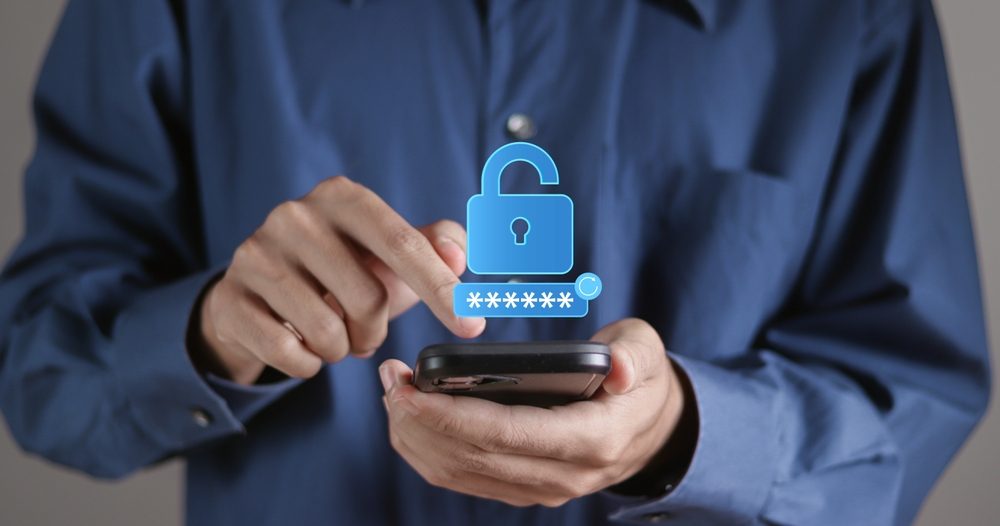
Switching to an eSIM makes travel smoother, no kiosk hunting, no SIM swapping, no losing a tiny plastic card somewhere between baggage claim and your hotel. But as with any shift in mobile technology, it’s normal to ask the big question: Are eSIMs safe?
This guide breaks down how eSIM security works, how risks are handled, and what travelers can do to stay protected, whether at home or abroad.
First, What Exactly Is an eSIM?
An eSIM (embedded SIM) is a digital version of a physical SIM card.
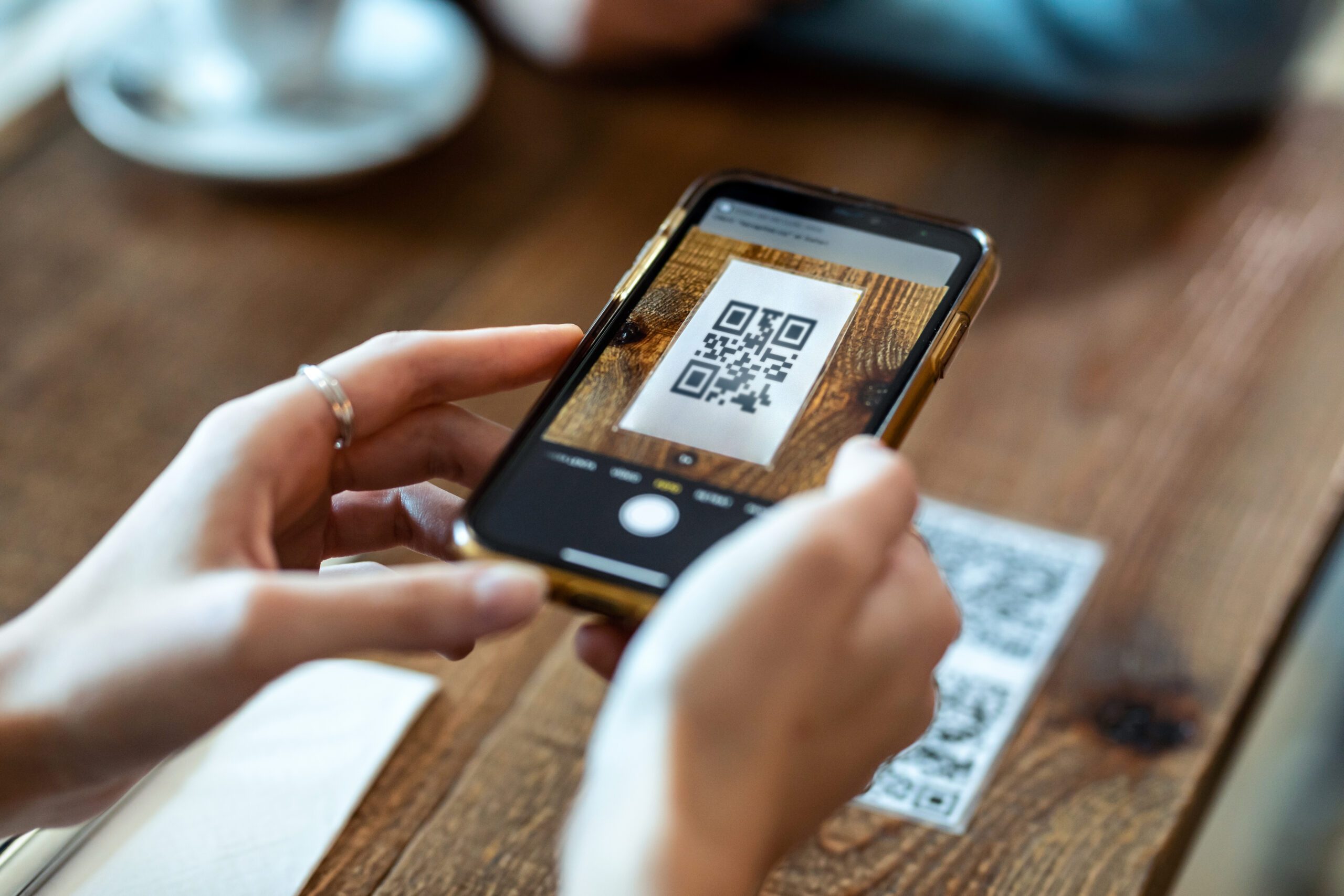
Instead of popping a card in and out of your phone, you download a plan digitally, using a QR code, an app, or automatic activation.
To understand travel implications, check out our guide to data roaming and staying connected abroad.
How an eSIM works, simplified
Your phone houses a secure chip that stores carrier profiles
A data plan is downloaded digitally and encrypted
Your number and network details live inside that chip
The eSIM connects to the network just like a physical SIM, supporting calls, texts (if supported), and data
The key point: the eSIM sits separately from your operating system, so apps or malware cannot directly access or copy it.
Are eSIMs Safe from Hacking?
Direct eSIM hacking is extremely rare.
Why?
The chip storing your eSIM profile is isolated from apps and the OS
Only carriers can write to it
Profiles are secured with encrypted provisioning
The more realistic threats come from:
Phishing (e.g., fake carrier messages asking for login codes)
Malware that steals account credentials
Unauthorized access to your carrier account
In other words, the problem usually isn’t the eSIM itself, but someone managing to access your account first.
eSIMs and SIM Swapping
SIM swaps happen when attackers convince carriers to move your phone number to a new SIM, giving them access to texts and the ability to intercept 2FA codes.
Good news:
eSIM setup adds friction for criminals.
Carriers typically require:
Identity checks
Account login
Two-factor authentication
In-device confirmation (for some networks)
Plus, the eSIM profile is tied to your device, it can’t be removed and plugged into another phone.
This doesn’t make SIM swaps impossible, but it closes the most common loophole attackers use.
Tracking, Location & Privacy
Every mobile device, physical SIM or eSIM, is visible to networks when it connects to towers.
This is how connectivity works globally, not something unique to eSIMs.
Monitoring happens for:
Fraud prevention
Correct routing of calls/texts
Regulatory compliance
So no — eSIMs aren’t “more trackable” than traditional SIMs.
They simply use the same network-level technology.
Where Real Risk Lives: Accounts, Not eSIMs
Carrier accounts are the weak spot.
Protect yourself by:
Using unique, strong passwords
Turning on two-factor authentication
Avoiding recycled passwords across apps
This dramatically reduces the chance of someone hijacking your mobile identity.
If you’re using data abroad, managing your usage easily is also smart, especially if you rely on your phone for navigation and bookings.
eSIM Cloning: Myth vs Reality
Researchers have shown highly targeted cloning demonstrations, but the conditions required are extreme:
Direct access to the target device
Technical expertise
Specialized tools
Carrier-specific vulnerabilities
For the average traveler, this is not a realistic risk.
And when vulnerabilities have emerged, carriers and manufacturers have patched them quickly, eSIM security is continuously updated.
Are eSIMs Safe for Banking, Work, and Authentication?
Yes.
Using an eSIM doesn’t change how secure your online banking or work apps are.
Where you should be cautious is SMS-based 2FA, which still relies on your phone number staying under your control.
Because eSIM profiles can’t be physically removed, they reduce one attack vector (stealing or swapping SIM cards).
Still, you should:
Use app-based authentication when possible (Google Authenticator, Authy)
Lock down your carrier account
Enable alerts for profile changes
How Travelers Can Stay Secure With an eSIM
Lock your device
Strong passcodes + Face ID/Touch ID prevent unauthorized access
This matters because your eSIM profile lives inside the device.
Keep software updated
OS and carrier updates often include security improvements.
Be skeptical of “carrier” messages
If someone asks for verification codes unexpectedly, that’s your red flag.
Disable roaming on your primary SIM
If you are mixing eSIM travel plans with your home number, turn off roaming to avoid bill shock and reduce attack exposure.
Are eSIMs Safe for Travel?
Absolutely, and in many ways, safer than traditional SIM cards.
They:
Can’t be lost or stolen
Can’t be physically removed
Require authentication to provision
Work instantly across borders
That’s one reason millions of travelers are choosing eSIM plans when exploring 200+ destinations supported by ZIM.
Final Thought
eSIMs don’t eliminate all risks, nothing in digital life does, but they offer strong, modern protection backed by global standards.
With smart security habits and a trusted provider, an eSIM is one of the most convenient and secure ways to stay connected at home and abroad.
Stay secure. Stay connected.
Download the ZIM app to get started!