



How eSIM Works: Basics Explained
https://www.zimconnections.com/how-esim-works-basics-explained/
 SHARE
SHARE
eSIM technology simplifies how you connect to mobile networks. Instead of using a physical SIM card, an eSIM is a built-in chip in your device that lets you activate and manage carrier plans digitally. Here’s what you need to know:
- What is an eSIM? It’s a programmable chip embedded in your device. You can store multiple carrier profiles, switch plans remotely, and even use different numbers for personal and work purposes.
- Why it matters: eSIMs make travelling easier – no more swapping SIM cards or paying high roaming fees. You can download a local plan in minutes. They’re also cheaper to produce and better for the planet.
- How it works: eSIMs use a secure chip called eUICC. You activate plans by scanning a QR code, and you can store several profiles on one device.
- Benefits: Smaller devices, better security, and remote management for businesses. Plus, they’re already supported by most flagship devices since 2018, including phones, tablets, and smartwatches.
- Challenges: Not all devices and carriers support eSIM yet, and older devices (pre-2018) won’t work with it.
eSIM is reshaping connectivity, offering a simpler, faster, and more flexible way to stay connected, whether you’re at home or abroad.
What is an eSIM and How Does it Work?
How eSIM Works
Grasping how eSIM functions sheds light on this digital alternative to the traditional SIM card. It combines hardware, remote provisioning systems, and software to deliver a streamlined experience.
eSIM Components and Structure
An eSIM is essentially a tiny chip called an eUICC (embedded Universal Integrated Circuit Card) that’s built into your device during manufacturing. Unlike traditional SIM cards that slot into your phone, the eSIM is permanently embedded using surface-mount technology. This design does away with the need for a physical SIM slot, freeing up space for other components like larger batteries or improved camera systems.
Despite its small size, the eUICC chip works with the same electrical standards as physical SIM cards, following ISO/IEC 7816 guidelines. This ensures it integrates smoothly with existing mobile networks.
Each eUICC chip comes with a unique eUICC ID (EID), which is programmed at the factory. This ID is crucial for downloading carrier profiles and authenticating your device on a network. Once a carrier profile is installed, it functions just like a traditional SIM card, complete with its own Integrated Circuit Card Identifier (ICCID) and a network authentication key provided by your carrier.
One key distinction lies in compatibility. Devices with eUICC-compatible eSIMs allow you to reprogram the chip with new carrier profiles throughout the device’s life. This means you can switch carriers or update plans remotely, offering a level of flexibility not possible with traditional SIM cards. On the other hand, non-compatible eSIMs are locked to a single carrier from the factory and cannot be reprogrammed. Fortunately, most flagship devices released since 2018 support eUICC-compatible eSIM technology, ensuring you can switch carriers without being tied to hardware limitations.
Next, let’s look at how setting up and activating an eSIM works.
Remote Setup and Activation
Activating an eSIM is a straightforward digital process that eliminates the need for physical cards or postal delays.
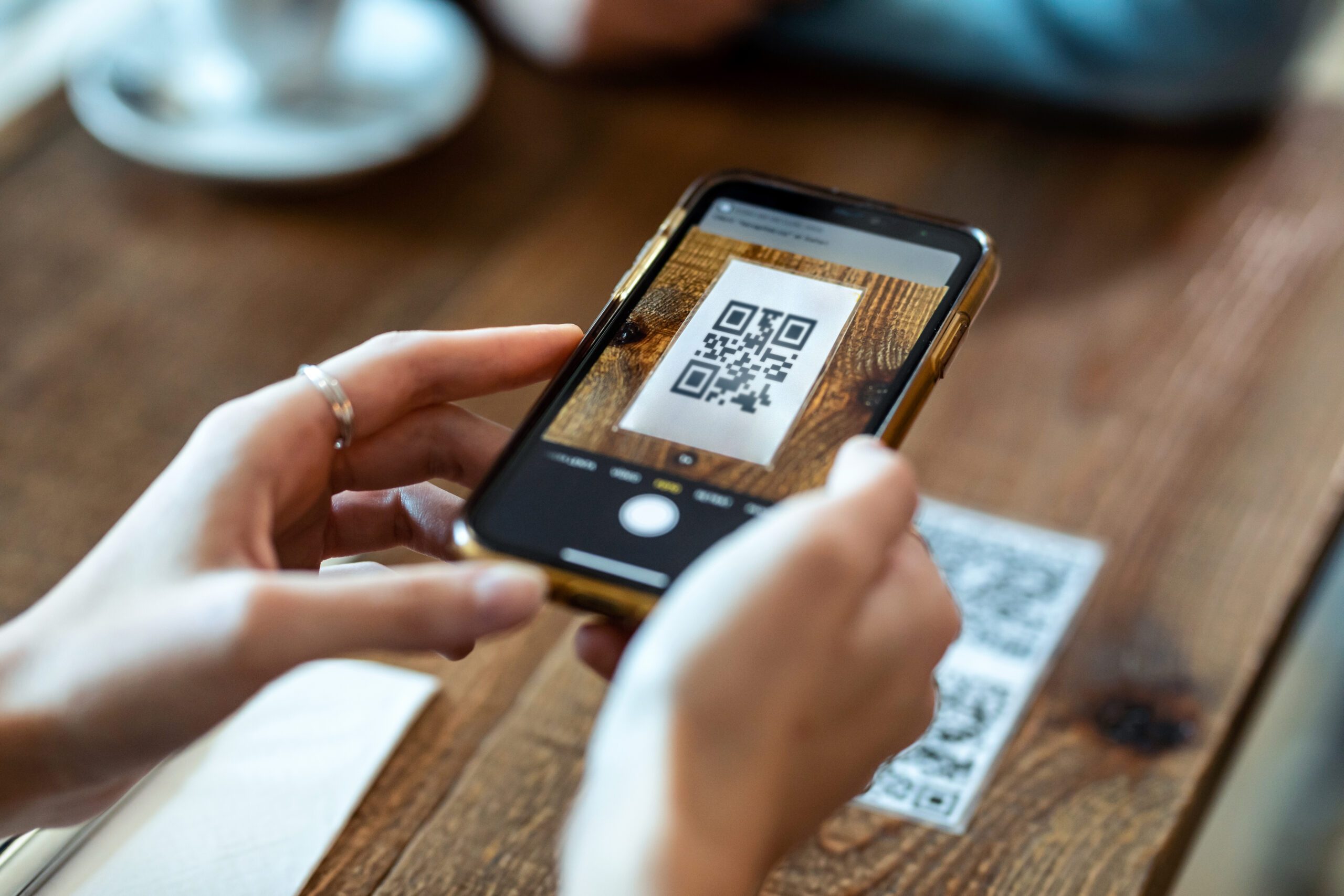
When you purchase an eSIM plan from a carrier or provider, you’ll typically receive a QR code via email. For Apple devices, you simply scan the QR code using the device’s camera and enter an activation code to finalise the setup. Android devices follow a similar process – scan the QR code, select “done,” and your plan is ready to go.
This process connects your device’s unique EID to your chosen carrier through a secure digital channel. By handling everything remotely, carriers save on the costs and logistics of producing and distributing physical SIM cards. For customers, this means faster activation, lower costs, and potentially better deals – especially for international travel plans.
Managing Multiple Profiles
Once activated, one of the standout features of eSIM technology is its ability to handle multiple profiles.
With an eSIM, you can store several carrier profiles on a single chip. This allows your device to maintain active subscriptions with different carriers, and you can easily switch between them through your device’s settings – no need to physically swap SIM cards.
For UK travellers heading abroad, this feature is a game-changer. You can store both your domestic and local profiles on one device. When you arrive at your destination, simply select the local eSIM profile from your settings, and it will activate as soon as it connects to the local network.
For professionals managing both personal and work numbers, the ability to keep multiple profiles active at the same time is invaluable. You can receive calls and messages on both lines while choosing which one handles your data connection.
Services like ZIM Connections take this functionality further by offering seamless connectivity across over 200 destinations worldwide. Whether you need regional or global plans, you can stay connected without juggling separate eSIM profiles for each country. Plus, with options to add extra data or domestic numbers as needed, your connectivity adapts to your needs – no rigid plans, no hassle.
Benefits of eSIM Technology
eSIM technology brings a host of advantages, not just in how it operates but also in connectivity, device design, and security.
Easier Connectivity for Travellers
For travellers, eSIM technology makes staying connected abroad much simpler. Forget the hassle of hunting for physical SIM cards at airports or local shops. With eSIMs, you can activate a local plan within minutes of arriving at your destination. All it takes is scanning a QR code sent to your email – no queues, no delivery delays, and no overpriced airport kiosks.
This convenience also translates into savings. Mobile operators could save up to £667,000 annually by adopting eSIMs, which often results in better pricing for consumers. Instead of paying inflated roaming fees or airport prices, you can browse local plans and pick what suits your needs best.
eSIMs also give you flexibility. You can keep your UK number active for essential calls while using a local data plan for browsing and navigation. Providers like ZIM Connections offer eSIM plans in over 200 destinations, with rates starting as low as £1.50. Need more data or a local number? You can adjust your plan on the go, without being tied to long-term contracts or worrying about hidden fees.
For UK travellers, eSIMs let you store multiple profiles on one device. Heading abroad? Simply switch to the local eSIM profile in your settings – it activates automatically when connected to the local network. Business professionals working across regions can also benefit by storing different profiles for various countries, allowing seamless switching between carriers or plans.
Smaller Device Design
Beyond connectivity, eSIM technology is reshaping device design. Traditional SIM card slots take up valuable space inside devices. In contrast, the eSIM chip is incredibly small – just 6 mm × 5 mm – and is built directly into the device during manufacturing. Without the need for a SIM tray, manufacturers can use the extra space to improve other features.
This reclaimed space can mean larger batteries for extended usage, better camera systems with advanced sensors, or improved cooling mechanisms for high-performance processors. It also opens up possibilities for adding sensors that monitor health or environmental factors.
The impact is particularly noticeable in compact devices like smartwatches and fitness trackers, where every millimetre matters. Thanks to eSIMs, these wearables can now include cellular connectivity without becoming bulky. For tablets and laptops, the absence of a SIM slot paves the way for thinner, lighter designs while maintaining full functionality. This design advantage has encouraged many major manufacturers to embrace eSIM technology.
Better Security and Durability
When it comes to security, eSIM technology offers a clear edge over traditional SIM cards. Since eSIMs are embedded directly into the device, they can’t be physically removed or stolen. With a standard SIM card, a thief could simply take it out and misuse it. eSIMs eliminate that risk.
Additionally, network providers can track eSIM-enabled devices remotely. If your phone gets lost or stolen, your carrier can locate it or disable the eSIM to prevent unauthorised access.
From a cybersecurity perspective, eSIMs are harder to compromise. Hackers would need to bypass multiple layers of security, including billing systems and cloud infrastructure, making eSIMs far more secure than physical SIM cards.
Durability is another plus. Unlike physical SIM cards, which can be scratched, bent, or damaged by moisture, eSIMs are sealed within the device. This protects them from wear and environmental factors, ensuring consistent connectivity over time.
For businesses managing a large number of devices, eSIMs simplify operations. IT teams can remotely provision and update mobile services across fleets of devices – whether it’s five or five thousand – without the logistical headaches of handling physical SIM cards. This added layer of control makes eSIMs a practical choice for enterprise use.
sbb-itb-273ea09
Device Support and Current Limitations
While eSIM technology has plenty to offer, it isn’t universally available across all devices or networks just yet. Knowing which devices support eSIM and understanding the hurdles that remain can help manage expectations.
Devices That Support eSIM
Since 2018, eSIM support has grown rapidly as major manufacturers began introducing it into their flagship devices. Nowadays, it’s found in a variety of modern gadgets, including smartphones, tablets, smartwatches, and even some laptops.
Among these, smartphones are the most common eSIM-enabled devices. Leading brands like Apple, Samsung, Google, Motorola, Xiaomi, Sony, and Oppo have integrated eSIM into their flagship and select mid-range models, making it increasingly accessible.
Other devices also benefit from eSIM technology. Many tablets and wearables now feature eSIM capabilities, with smartwatches, in particular, gaining from the lack of bulky SIM slots. This allows for sleek designs and built-in cellular connectivity. Beyond personal devices, eSIM is also a game-changer for IoT gadgets and sensors, enabling instant activation and portability in industrial and commercial settings.
Both iOS and Android operating systems now include tools for eSIM management, making it easier to activate and switch profiles – as long as your device is compatible.
However, despite this growing support, there are still some obstacles to broader adoption.
Barriers to Adoption
Although eSIM simplifies connectivity in many ways, several challenges slow its universal adoption.
First, devices built before 2018 generally lack the necessary eSIM hardware. This means a significant number of older devices remain incompatible until they are replaced with newer models.
Carrier support is another issue. While major UK carriers now offer eSIM services, smaller operators often don’t. This creates a patchy network of availability where your ability to use eSIM depends not only on your device but also on your carrier. The situation becomes even trickier when travelling internationally. Despite the ability of eSIM devices to connect to various carriers, local eSIM infrastructure isn’t always in place. Services such as ZIM Connections aim to address this by providing pre-configured eSIM plans in over 200 destinations.
Another limitation comes from SIM locking. Even if a device supports eSIM, it may still be locked to a specific carrier, restricting the ability to switch providers until the device is unlocked.
Consumer awareness also plays a role. Many users are unfamiliar with eSIM features like QR code activation and profile management, which can feel more complex compared to simply inserting a physical SIM card.
Businesses face additional challenges. For companies managing diverse device fleets, switching to eSIM requires careful planning. IT teams need to audit device compatibility, confirm carrier support, and train staff on how to activate and manage eSIM profiles. This process can be resource-intensive.
Lastly, physical SIM cards still provide the broadest connectivity across networks. If guaranteed connectivity is a priority, traditional SIMs remain a dependable option. As a result, eSIM adoption is expected to progress gradually, with universal support likely to take 5–10 years as older devices are naturally replaced. For now, eSIM often works alongside physical SIMs, with many modern devices offering dual SIM functionality – allowing users to keep a physical SIM as a backup option if needed.
The Future of eSIM Technology
eSIM technology is advancing rapidly, bringing new possibilities for how devices connect to networks. With innovations like iSIM and Soft SIM on the horizon and growing adoption across industries, eSIM is set to redefine connectivity in ways that could impact everything from wearables to autonomous vehicles. Let’s take a closer look at these emerging technologies and their potential applications.
Next-Generation Technologies: iSIM and Soft SIM
Building on the foundation of eSIM, next-generation solutions like iSIM (integrated SIM) and Soft SIM are pushing the boundaries of integration and efficiency.
iSIM goes a step further by embedding SIM functionality directly into a device’s primary processor, eliminating the need for a separate microchip. This design not only saves space but also improves power efficiency and enhances security by tightly integrating SIM capabilities with the device’s hardware. Impressively, iSIM is 98% smaller than eSIM technology, uses 70% less power, and is about 50% cheaper to produce.
Meanwhile, Soft SIM takes a completely different approach by operating entirely through software. Unlike eSIM, which still requires a physical microchip, Soft SIM runs directly on the device’s processor. This method offers unmatched flexibility in device design and reduces production costs, making it possible to enable SIM functionality on virtually any connected device without hardware changes. However, Soft SIM is still in development, facing hurdles like standardising security protocols and gaining acceptance from network carriers.
The adoption of these technologies is expected to unfold gradually. iSIM could see broader commercial availability within the next 3–5 years, while Soft SIM might take 7–10 years to achieve widespread implementation.
Expanding Role Across Industries
The impact of eSIM extends far beyond hardware advancements, as it is increasingly becoming a cornerstone of connectivity in various industries. The Internet of Things (IoT), which includes devices like drones, wearables, and self-driving cars, is already benefiting from eSIM integration.
Wearables and IoT devices are leading the charge in eSIM adoption. By eliminating the need for physical SIM slots, eSIM enables instant activation and portability for compact devices such as smartwatches, fitness trackers, and health monitors. As more manufacturers adopt eSIM, its use is expected to expand into devices like trackers and drones, simplifying supply chains and reducing costs compared to traditional SIM cards.
Another key area of growth is connected vehicles and autonomous transportation. These vehicles require reliable, always-on connectivity, and eSIM’s ability to manage multiple carrier profiles makes it ideal for maintaining seamless connections across regions and networks. Remote provisioning allows vehicles to switch carriers automatically, ensuring uninterrupted connectivity.
5G integration is also amplifying eSIM’s potential. By combining eSIM’s remote provisioning with 5G’s high-speed, low-latency capabilities, new possibilities are emerging for IoT devices, autonomous vehicles, and real-time applications.
Services like ZIM Connections are already leveraging eSIM to offer international plans that simplify connectivity. With prepaid voice and data options available in over 200 destinations, users can access local networks instantly without dealing with physical SIM cards or roaming issues.
The telecommunications landscape is evolving alongside these advancements. The ease of switching carriers digitally is driving competition, encouraging providers to offer better service and more customer-friendly plans. Additionally, eSIM simplifies device bundling, allowing customers to add new devices to their plans without visiting a store – making the process faster and more flexible for users.
Conclusion
eSIM technology has revolutionised the way we connect to mobile networks, replacing the need for traditional SIM cards. By embedding SIM functionality directly into devices, it eliminates the hassle of handling physical cards. Users can switch networks instantly, download new carrier profiles with just a QR code scan, and store multiple eSIMs on a single device – often eight or more profiles – with the ability to keep two numbers active at the same time.
For international travellers, eSIM has completely changed the game. Forget expensive roaming charges or the inconvenience of buying local SIM cards. With eSIM, you can download a local plan before you even leave and activate it the moment you arrive at your destination. This not only saves money but also ensures uninterrupted connectivity across borders. Services like ZIM Connections make this process simple, offering prepaid voice and data plans in over 200 destinations with 5G/4G connectivity. This means you can stay connected in multiple countries using just one eSIM, making travel far more convenient.
But eSIM isn’t just about convenience – it also brings practical benefits in terms of design and security. Its compact size allows for more efficient use of space in devices. Plus, since eSIMs can’t be physically removed, they’re harder to lose, steal, or damage. They also make it easier for network providers to locate lost or stolen devices remotely, adding an extra layer of security.
On top of all that, eSIM technology is cost-effective and better for the environment. Lower production costs mean operators save money, while the reduced need for physical SIM cards cuts down on waste. These advantages support the ongoing evolution and integration of mobile technology.
Whether you’re a frequent traveller, managing multiple devices for work, or just someone who appreciates simplicity, eSIM is paving the way for a more efficient and flexible future in mobile connectivity. It’s a practical, forward-thinking solution that keeps us connected in an increasingly mobile world.
FAQs
How do I check if my device supports eSIM technology?
To determine whether your device supports eSIM technology, start by checking the specifications in the user manual or on the manufacturer’s official website. Most newer smartphones, tablets, and wearables include eSIM compatibility in their connectivity details.
You can also check directly on your device. Head to the settings menu, and look for options like ‘Mobile Data’ or ‘SIM Management’ under network settings. If your device supports eSIM, there should be an option to add or manage an eSIM profile.
Still not sure? Reach out to the manufacturer or retailer for clarification.
How can I switch between different carrier profiles on an eSIM-enabled device?
Switching between carrier profiles on a device with eSIM is both simple and handy. Start by ensuring that your device already has multiple carrier profiles installed. Then, navigate to your settings menu, locate the mobile network or SIM management section, and choose the eSIM profile you wish to activate. Once selected, your device will automatically connect to the chosen network.
If you need to add a new profile, your carrier will usually provide you with a QR code or activation details. Just scan the QR code or follow the instructions to install the profile. The flexibility of switching between profiles makes it effortless to stay connected, whether you’re travelling or juggling multiple networks.
How does eSIM technology improve security compared to traditional SIM cards?
eSIM technology brings a higher level of security by eliminating the risk of physical tampering or theft. Since the eSIM is built directly into your device, unlike traditional SIM cards that can be removed or swapped, it becomes much harder for anyone to gain unauthorised access.
On top of that, eSIMs utilise advanced encryption protocols and enable remote provisioning. This ensures a secure connection between your device and your network provider, offering stronger protection for personal data and reducing the chances of fraud.