



How eSIMs Ensure 5G Access in Remote Destinations
https://www.zimconnections.com/how-esims-ensure-5g-access-in-remote-destinations/
 SHARE
SHARE
Staying connected while travelling has never been easier. eSIMs, or embedded SIMs, are transforming the way we access mobile networks, especially in remote areas. Unlike traditional SIM cards, eSIMs are built into your device and allow you to connect to mobile plans digitally, without swapping physical cards. This means faster setup, seamless network switching, and better connectivity – even in hard-to-reach places.
Key Takeaways:
- What is an eSIM? A built-in SIM that lets you activate mobile plans remotely using a QR code.
- Why eSIMs matter for 5G: They automatically connect to the strongest available signal, ensuring reliable internet access in areas with patchy coverage.
- Travelling to remote areas? eSIMs can switch between carriers to maintain connectivity, even where infrastructure is limited.
- Top provider: ZIM Connections offers affordable eSIM plans starting at £1.60, with 5G/4G coverage in over 200 destinations.
eSIMs are perfect for travellers who want hassle-free connectivity, whether you’re working on the go, navigating unfamiliar terrain, or staying in touch with loved ones. With features like instant activation, multi-network access, and compatibility with modern devices, eSIMs are the answer to staying online, no matter where you are.
How to Set Up a Travel eSIM (Try It Free First!)
How eSIMs Provide 5G Access in Remote Areas
The real strength of eSIM technology lies in its ability to overcome connectivity hurdles that have long plagued travellers. Instead of being tied to a single network that might falter in remote locations, eSIMs use smart features to keep you connected – even in the most isolated areas. Here’s how they achieve this.
Automatic Network Selection
When you arrive at a new destination, your eSIM-enabled device immediately gets to work. It scans for available local mobile networks and connects to the strongest signal automatically – no need for manual adjustments. The network profile is downloaded seamlessly in the background.
This feature is particularly important in remote regions. Your device doesn’t just connect to any network; it evaluates signal strength and available technology – whether that’s 5G, 4G, or 3G – to ensure the best connection possible at that moment. For example, in areas like the Australian Outback, where coverage can be inconsistent, this automatic selection ensures your device continuously adapts to maintain connectivity as you move through different zones.
Compare this to traditional SIM cards, which tie you to a single carrier. If that carrier has weak or no coverage where you are, you’re left with poor service – or none at all. With an eSIM, your device can tap into multiple networks within a country, significantly boosting your chances of staying online. This flexibility is a game-changer when you’re relying on GPS in unfamiliar terrain or need to make an urgent video call from a remote spot. This seamless network selection lays the groundwork for effective carrier switching in challenging landscapes.
Switching Between Carriers for Better Coverage
Remote areas often have patchy network coverage, where one carrier might excel in one location while another dominates nearby. eSIMs address this challenge by enabling access to multiple networks, allowing you to switch carriers without any physical changes.
eSIMs support both automatic and manual carrier switching to ensure you connect to the strongest available signal. This ability is critical in regions with inconsistent infrastructure. By accessing multiple carriers, you’re more likely to maintain some level of connectivity, even in areas with limited options.
This feature becomes even more valuable when considering that many remote locations still rely on older network technologies. While 5G speeds might be the goal, some areas only offer 4G LTE or even 3G. By switching carriers, your device can connect to the best available network, whether that’s 5G in one area or 4G in another, helping you stay productive and in touch, no matter where you are.
Selecting an eSIM Provider with 5G Coverage
Beyond the technical capabilities of eSIMs, selecting the right provider plays a crucial role in reliable connectivity. Not all eSIM providers offer the same level of service, especially when it comes to 5G in remote areas. The provider you choose can mean the difference between smooth connectivity and constant frustration.
Take ZIM Connections, for example. They stand out as a reliable option, offering coverage in over 200 destinations worldwide. Their plans provide instant 5G/4G access, even in locations far from tourist hubs. With the ability to connect to multiple networks within a country, their service ensures you get the carrier-switching advantage discussed earlier. Starting at just £1.60, ZIM Connections offers a range of options, from single-country plans to regional and global packages, making it suitable for various travel needs.
When choosing a provider, look for clear details on their 5G/4G coverage, partnerships with local carriers, and flexible plan durations. Technical compatibility is equally important. Ensure the provider supports the frequency bands used by carriers in your destination, as 5G operates on different frequencies depending on the region. Providers with experience in your target area will have optimised their network handover processes, ensuring smooth transitions between coverage zones – a critical feature when travelling through remote regions.
ZIM Connections excels in these aspects, offering prepaid eSIM plans with unlimited data options and local phone numbers. Their platform allows for easy activation before you even leave home and supports a wide range of devices. For travellers heading to remote areas where reliable 5G access isn’t guaranteed, choosing a provider with such comprehensive coverage and flexibility isn’t just helpful – it’s essential.
Requirements for Using eSIMs with 5G
To make the most of eSIM technology during your travels, ensure your device supports both eSIM and 5G, confirm the necessary network frequencies, and complete the activation process in advance.
Device Compatibility for 5G eSIMs
For eSIMs to work with 5G, your device needs to support both technologies. These are separate features, so having one doesn’t automatically mean you have the other. Many modern devices from brands like Apple, Samsung, and Google come equipped with both. For example, the iPhone 16 series, Samsung Galaxy S25 range, and mid-tier models like the Galaxy A55 5G include these capabilities. Beyond smartphones, some tablets, laptops, and wearables also support eSIM and 5G.
Another key requirement is that your device must be unlocked. Locked devices restrict you to a single carrier, which defeats the flexibility that eSIMs provide. If you’re unsure about your device’s status, check with your carrier or explore your device settings. Devices purchased directly from manufacturers are typically unlocked, whereas those bought through carrier contracts may have limitations.
To double-check compatibility, use tools like the device search feature available from providers such as ZIM Connections. These tools help confirm whether your device supports the provider’s specific 5G/4G eSIM plans. Once you’ve verified device compatibility, you can move on to checking network coverage.
Verifying Network Coverage and Frequency Bands
Even with a compatible device, you’ll need to ensure it supports the frequency bands used by carriers in your travel destination. 5G operates on various frequencies, which differ by region, so your device must align with the local network specifications.
Start by reviewing your device’s technical specifications, usually listed on the manufacturer’s website, to see which 5G bands it supports. Then, compare this information with the frequency bands used by carriers in your destination. Many eSIM providers, including ZIM Connections, offer coverage maps and guides to help you figure this out.
Coverage maps are particularly useful when travelling to remote areas. Before your trip, consult maps from both your eSIM provider and local carriers to get a clear sense of where 5G is available. In rural or isolated regions, 5G coverage may be limited to larger towns or specific zones, while more remote areas might only offer 4G or even 3G connectivity.
ZIM Connections, for instance, provides 5G/4G access across over 200 destinations, along with detailed coverage details on their website. This transparency helps you set realistic expectations, especially when visiting places where 5G isn’t widespread. Knowing what to expect allows you to plan ahead – whether that means downloading maps offline, preparing for slower speeds, or considering alternative communication options.
Keep in mind that 5G is far from universal in remote regions. In many such areas, 2G or 3G networks are still the norm, and even 4G can be spotty. Being aware of this beforehand ensures you’re not caught off guard. Once you’ve confirmed both your device and network compatibility, you’re ready to activate your eSIM.
How to Activate and Set Up an eSIM Plan
Activating an eSIM is a straightforward process that doesn’t require visiting a physical store – perfect for travellers heading to remote areas where such services may be unavailable.
Start by purchasing an eSIM plan and obtaining the QR code or activation details. Ensure you have a stable internet connection, such as Wi-Fi at home or your hotel, before beginning the installation.
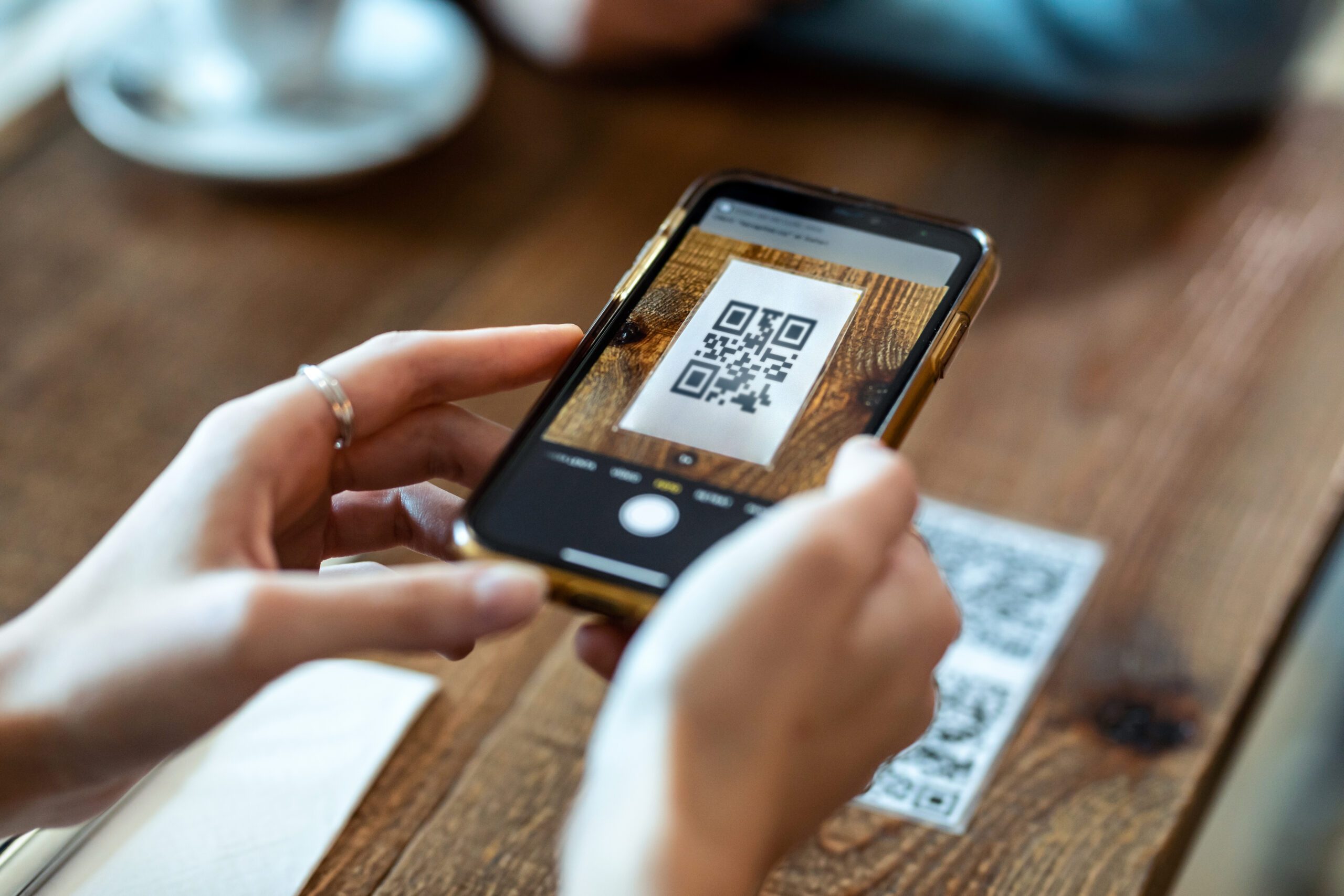
To install the eSIM, open your device’s camera and scan the QR code provided. Your device will detect it and prompt you to add the eSIM profile. Alternatively, you can manually input the activation details by navigating to your device’s mobile network settings and selecting the option to add a new plan. The eSIM profile will download and install in just a few minutes.
Once installed, enable data roaming and set the eSIM as your default data line. Your plan will activate as soon as your device connects to the local network at your destination.
Platforms like ZIM Connections simplify this process with instant activation. Their plans become active immediately upon connecting to a local network, so you won’t experience delays once you arrive.
If you encounter issues during installation, check that your device is unlocked and running the latest software version. Restart your device if it doesn’t connect right away. In areas with limited 5G coverage, your device should automatically switch to 4G or 3G. However, you can manually select a different network in your settings if needed. For persistent problems, contact your eSIM provider’s support team.
To avoid potential hiccups, activate your eSIM before travelling to remote destinations. While activation on arrival is possible, setting everything up in advance ensures you’ll have immediate connectivity upon landing, sparing you the hassle of searching for Wi-Fi or dealing with technical issues in an unfamiliar place.
sbb-itb-273ea09
5G Coverage in Popular and Remote Destinations
Understanding where 5G is available can help you set realistic expectations when travelling. Coverage varies significantly between bustling urban areas and remote locations, so knowing what to expect can save you frustration upon arrival.
5G and 4G Coverage by Region
Let’s take a closer look at how 5G and 4G coverage differs across regions and what that means for travellers.
Europe is at the forefront of 5G deployment, with major cities and popular tourist spots offering extensive coverage. In cities like London, Paris, and Berlin, 5G speeds typically range between 100 and 500 Mbps. However, if you’re heading to the Scottish Highlands or exploring remote Greek islands, you’re more likely to rely on 4G or even 3G networks.
Asia-Pacific has made significant strides in 5G adoption. Cities such as Singapore, Sydney, and Tokyo offer speeds of 50–300 Mbps through operators like Singtel, Telstra, and SoftBank. In contrast, remote areas, including rural Indonesia, the Mongolian steppes, or Papua New Guinea, tend to offer only 4G or 3G connectivity.
The Americas present a mixed landscape. Urban hubs in the United States, Canada, and parts of South America have 5G speeds ranging from 50 to 400 Mbps. However, in remote regions – such as the Amazon rainforest, Canada’s northern territories, or the Andes – coverage is sparse. In these areas, 4G access can be patchy, and 3G is often the fallback option.
Africa faces unique challenges in expanding its network infrastructure. 5G coverage is mostly confined to capital cities and business centres, with speeds typically between 10 and 50 Mbps. Operators like MTN, Vodacom, and Airtel are leading these efforts. However, in rural areas such as Madagascar, Kenya’s countryside, or remote parts of South Africa, connectivity often relies on 2G or 3G, with 4G being a rarity.
ZIM Connections provides 5G and 4G coverage in over 200 destinations worldwide, including regions with limited infrastructure like Africa, South America, and parts of Asia. This extensive network helps bridge the gap in places like Greenland, Papua New Guinea, and Madagascar, where local connectivity options are inconsistent.
It’s also worth noting that even in areas with 5G or 4G, network congestion can slow speeds, especially in remote locations.
5G Coverage Comparison by Destination
The table below summarises coverage and connectivity considerations across regions:
| Region | 5G Availability | 4G Availability | Notable Operators | Typical Speeds | Remote Area Challenges |
|---|---|---|---|---|---|
| Europe | Widespread | Widespread | Vodafone, O2, EE | 100–500 Mbps | Limited 5G in rural and mountainous regions |
| Asia-Pacific | Expanding | Widespread | Singtel, Telstra, SoftBank | 50–300 Mbps | Remote areas often limited to 4G or 3G |
| Africa | Limited | Limited | MTN, Vodacom, Airtel | 10–50 Mbps | 5G mostly in capitals; rural areas rely on 2G/3G |
| Americas | Expanding | Widespread | AT&T, Verizon, T-Mobile | 50–400 Mbps | Sparse coverage in wilderness and remote areas |
Before travelling, it’s a good idea to check coverage maps from both your eSIM provider and local carriers. ZIM Connections offers detailed information for their 200+ destinations, helping you verify network availability ahead of time. This is especially helpful if you’re visiting places with underdeveloped 5G infrastructure.
The versatility of eSIM plans is particularly useful in locations with inconsistent connectivity. With ZIM Connections’ regional and global eSIM plans, you can switch between local networks seamlessly, all through a single eSIM. This eliminates the hassle of swapping physical SIM cards and ensures you can always connect to the strongest available signal, whether it’s 5G in a city or 3G in a remote village.
Keep in mind that actual speeds can vary due to factors like time of day, weather, and network congestion. Planning for alternatives, such as offline maps or limited connectivity options, can make your trip smoother. These regional differences highlight why eSIM technology is a game-changer for travellers who want reliable connectivity no matter where they go.
Selecting the Right eSIM Plan for Remote 5G Access
Picking the right eSIM plan is key to staying connected in remote locations. With various plan types, data options, and features available, understanding what fits your travel habits can prevent overspending and ensure reliable coverage wherever you go.
Local, Regional, and Global eSIM Plans Explained
eSIM plans generally fall into three categories, each catering to different travel needs and patterns.
Local eSIM plans are perfect for single-country trips. For example, if you’re spending two weeks hiking through the Scottish Highlands or working from a quiet spot in rural Wales, a local plan connects you to the area’s networks – including 5G where available. These plans often include local phone numbers, making it easier to communicate with businesses or services.
Regional eSIM plans cover multiple countries within a specific area, like Europe, Asia, or South America. These plans are great for travellers moving between countries in the same region. Whether you’re exploring several remote destinations or hopping across borders, regional plans save you from juggling multiple local plans.
Global eSIM plans offer the broadest reach, covering over 200 destinations worldwide. These are ideal for travellers with complex itineraries spanning continents or for those heading to remote areas around the globe. A global plan connects your device to multiple carriers through a single eSIM, ensuring you’re never out of touch – even in unfamiliar or hard-to-reach places.
Both regional and global plans provide multi-network access, automatically switching to the strongest available signal. This flexibility ensures consistent connectivity, even when certain carriers have weak or no coverage in remote areas.
When choosing a plan, think about your itinerary. A local plan works well for single-country trips, while regional plans suit multi-country travel within a specific area. For extensive global travel or visits to remote corners of the world, a global plan is your best bet for reliable connectivity. Each type of plan also comes with varying data limits and additional features to consider.
Advantages of Unlimited Data and Extra Features
Beyond coverage, the features offered by eSIM plans can make a big difference, especially in remote areas. Unlimited data, for instance, becomes essential when Wi-Fi is limited or unavailable. Data caps can leave you stranded without navigation, video calls, or the connectivity needed for work. Unlimited plans eliminate these worries, letting you use your device freely without constantly watching your usage.
Hotspot sharing is another handy feature, especially in areas with no Wi-Fi. This allows you to share your eSIM’s internet connection with multiple devices, such as laptops, tablets, or other smartphones. It’s a practical way to keep everyone connected under a single plan.
Some eSIM plans also provide local phone numbers, which simplify communication with businesses, accommodation providers, or emergency services. Local numbers can reduce call costs and make it easier to use apps and services that require local registration.
ZIM Connections stands out by offering unlimited data, hotspot sharing, and local numbers, ensuring seamless connectivity. Their plans combine high-speed 5G/4G performance with the ability to share data across multiple devices, making them a solid choice for staying productive and connected in remote areas.
However, it’s worth noting that not all "unlimited" plans are created equal. Some providers throttle speeds after you hit a certain limit – like reducing your speed after 5 GB of high-speed data or capping your monthly usage at 60 GB before slowing things down. For consistent performance, look for providers that offer truly unlimited, unthrottled data.
Why Choose ZIM Connections for Travel Connectivity
ZIM Connections addresses the challenges of remote travel with reliable coverage and practical features tailored to real-world needs.
With access in over 200 destinations, ZIM Connections ensures dependable service, whether you’re in a bustling city with full 5G coverage or a remote village relying on 4G. Their prepaid plans are budget-friendly and flexible, letting you choose durations from just a few days to a full year – so you only pay for what you need.
Additionally, ZIM Connections supports a wide range of devices, including smartphones, laptops, and wearables. This means you can use your current gadgets without needing to invest in extra equipment, making it a convenient and cost-effective solution for staying connected on your travels.
Conclusion
eSIM technology and multi-network access have transformed how travellers stay connected, removing the headaches of physical SIM cards. Now, you can enjoy reliable 5G connectivity even in remote locations. With the ability to automatically switch between carriers, you’ll always connect to the strongest network – whether you’re exploring the rugged beauty of the Scottish Highlands or working remotely from a secluded village. This flexibility is especially helpful in areas where coverage from a single carrier might not cut it.
Choosing the right eSIM plan is just as important as the technology itself. Options range from local to regional and global plans, tailored to different travel needs. Features like unlimited data and hotspot sharing can make a big difference, especially for those who need to stay productive on the go.
ZIM Connections makes this process seamless, offering coverage in over 200 destinations with both 5G and 4G options. Their prepaid plans, starting at just £1.60, provide an affordable and flexible solution for international connectivity. Plus, with their straightforward digital activation, you can set up your eSIM before you leave or as soon as you arrive – no need to hunt for local SIM vendors.
FAQs
How do eSIMs help travellers stay connected to 5G networks in remote areas?
eSIMs make staying connected a breeze, especially for travellers exploring remote or less-connected areas. Unlike traditional SIM cards, which require physical swapping, eSIMs are built directly into devices. This means you can switch between networks effortlessly, without the hassle of handling a physical card.
Take providers like ZIM Connections, for example. They offer international eSIM plans that include both 5G and 4G internet, ensuring reliable service across more than 200 destinations worldwide. These plans are tailored to keep you online wherever your journey takes you – even in places where mobile network coverage might otherwise be a challenge.
How can I make sure my device works with eSIM and 5G before travelling?
To determine if your device supports eSIM and 5G, start by checking its specifications through the manufacturer’s website or your device settings. Look for compatibility with eSIM technology and 5G connectivity.
Before travelling, confirm that your destination has 5G coverage and ensure your device is unlocked for use with international eSIM plans. This step is crucial for maintaining smooth connectivity, even in more isolated areas.
ZIM Connections offers international eSIM plans with 5G and 4G internet access, covering over 200 destinations worldwide. Their plans are easy to set up and work with a variety of devices, helping you stay reliably connected wherever your travels take you.
Why is having an eSIM with wide 5G coverage essential for staying connected in remote areas?
Travelling to remote or less-connected areas? Having an eSIM with broad 5G coverage can make all the difference. It ensures you have reliable, high-speed internet access, even in challenging locations. Whether you’re keeping in touch, using online services, or working on the go, staying connected is essential.
ZIM Connections offers international eSIM plans that deliver 5G and 4G coverage in over 200 destinations. These plans provide hassle-free connectivity with perks like unlimited data, local phone numbers, and compatibility with a wide array of devices. Wherever your travels take you, staying connected has never been easier.