


BYOD eSIM: Why eSIM Is the Perfect Solution for Bring Your Own Device Policies
https://www.zimconnections.com/byod-esim-2/
 SHARE
SHARE
A BYOD eSIM is helping businesses modernise their Bring Your Own Device (BYOD) policies by allowing employees to use one smartphone for both work and personal life without mixing the two. As more organisations embrace flexible working and look for ways to reduce hardware costs, eSIM technology provides a simple solution: a dedicated business line on an employee’s personal device, without the need to carry two phones.
Bring Your Own Device is no longer a niche workplace policy. Research suggests it has become the default approach for many organisations across the UK and US, driven by cost savings, hybrid working, and employee flexibility. At the same time, businesses are recognising that simply allowing employees to use their own phones isn’t enough—they also need a secure, professional way to separate business and personal communications.
What Is a BYOD eSIM?
A BYOD eSIM is a digital SIM that adds a second mobile line to an existing smartphone.
Instead of issuing a company phone or asking employees to swap physical SIM cards, businesses can provide a dedicated work number that lives alongside an employee’s personal number on the same device.
The result is one phone with two completely separate identities:
- Personal calls and messages remain private.
- Business calls and messages use a dedicated work number.
- Employees only need to carry one device.
- Businesses maintain a more professional communication channel.
If you’re unfamiliar with digital SIM technology, our guide on how eSIMs work explains how employees can activate a second line in just a few minutes.
Why Traditional BYOD Policies Fall Short
For years, many businesses have adopted BYOD simply by asking employees to use their personal phones for work.
While this saves money on company devices, it often creates new problems for both employers and employees.
Employees may find themselves:
- Sharing their private mobile number with clients.
- Receiving work calls outside office hours.
- Mixing business and personal WhatsApp conversations.
- Continuing to receive customer enquiries long after changing jobs.
Businesses also face challenges. Customer relationships can become associated with an employee’s personal phone number rather than the organisation itself, making handovers and staff transitions more difficult. Industry research highlights these as common issues associated with traditional BYOD policies.
Why eSIM Is the Missing Piece
This is where eSIM changes everything.
Instead of asking employees to compromise their privacy, businesses can provide a dedicated work line that sits alongside their personal number.
The employee keeps using the phone they already own, while the business gains a professional communication channel that’s separate from their private life.
For organisations, this creates a BYOD policy that works for everyone.
1. Employees Keep Their Personal Number Private
One of the biggest frustrations with traditional BYOD policies is the need to give customers a personal mobile number.
A BYOD eSIM removes this issue entirely.
Employees can confidently share their business number while keeping their personal number private for friends and family.
This not only improves privacy but also creates a more professional experience for customers and clients.
2. WhatsApp Business Becomes Much Easier
Many businesses now rely on WhatsApp Business for customer communication.
With a BYOD eSIM, employees can register a separate business number for WhatsApp Business while keeping their personal WhatsApp account linked to their own number (depending on device compatibility).
This creates a much cleaner separation between work and personal conversations.
Sales teams, recruiters, consultants, estate agents, account managers, and customer support teams can all communicate professionally without exposing their personal contact details.
3. No Need to Carry Two Phones
Perhaps the biggest advantage is simplicity.
Instead of carrying one personal phone and one work phone, employees only need one device.
That means:
- One charger.
- One device to manage.
- One set of contacts.
- Two separate phone numbers.
For employees, it’s far more convenient.
For employers, it reduces hardware costs while still providing a professional business presence.
4. Faster Onboarding
Unlike physical SIM cards, eSIMs can be activated remotely in minutes.
New employees don’t need to wait for hardware to arrive before getting connected.
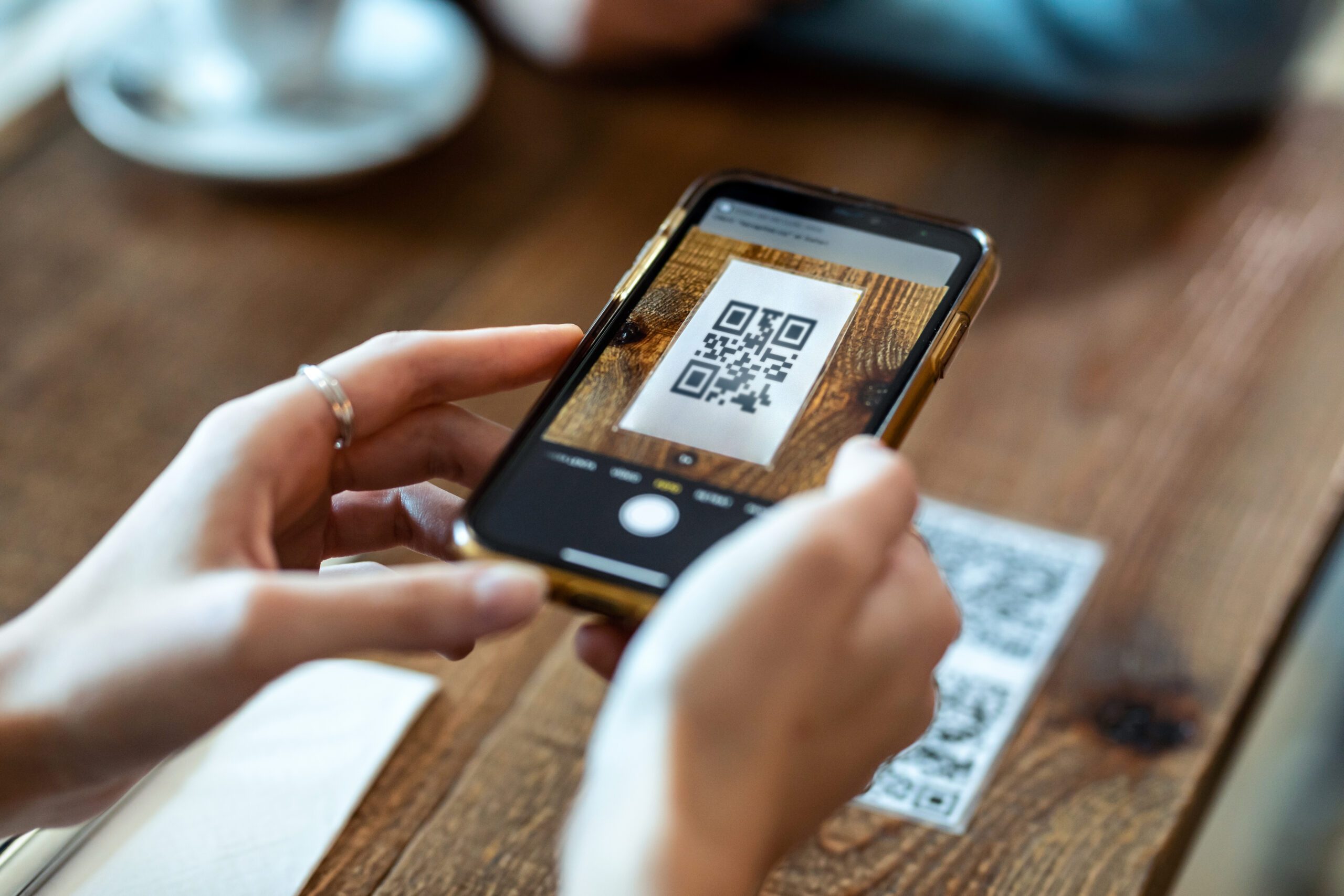
Businesses can simply send a QR code or activation instructions, allowing staff to install their business line wherever they are.
If you’re wondering how quickly this process takes, our guide on how long eSIM activation takes explains what to expect.
BYOD Is About More Than Saving Money
Historically, businesses adopted BYOD to reduce the cost of purchasing company smartphones.
Today, the benefits go much further.
A well-designed BYOD policy can improve:
- Employee flexibility.
- Business continuity.
- Customer communication.
- Privacy.
- Mobile security.
- International connectivity.
Research also suggests only a minority of US businesses provide every employee with a company smartphone, meaning BYOD or hybrid approaches have become the norm for much of today’s workforce.
As flexible working becomes increasingly common, businesses are looking beyond simple cost savings and towards creating better employee experiences.
BYOD and International Business Travel
For businesses with employees who travel internationally, a BYOD eSIM offers even greater advantages.
Instead of asking employees to purchase local SIM cards or rely on expensive roaming, organisations can provide a business eSIM before they even leave for the airport. Employees arrive connected, keeping both their personal and business numbers active on the same device.
The benefits include:
- Lower roaming costs.
- Instant connectivity on arrival.
- No physical SIM swaps.
- One device for both business and personal use.
- Easier IT management.
If your employees regularly travel for work, our guide on how businesses can avoid high roaming charges abroad explains how eSIMs can significantly reduce international mobile costs. You can also compare local, regional, and global eSIM plans to determine the best solution for your travelling workforce.
Why Businesses Are Formalising BYOD Policies
As BYOD becomes increasingly common, businesses are moving beyond informal arrangements and introducing structured mobile policies.
Rather than simply allowing employees to use personal devices, organisations are combining BYOD with mobile device management (MDM), dedicated business numbers, and eSIM technology to improve security, consistency, and employee experience.
The goal is no longer just reducing hardware costs.
Modern BYOD policies help businesses:
- Protect employee privacy.
- Improve customer communications.
- Maintain business continuity.
- Simplify onboarding.
- Support hybrid and remote working.
- Enable international business travel.
A BYOD eSIM complements these policies by giving employees a dedicated business identity while allowing them to continue using the phone they already own.
Who Benefits Most from a BYOD eSIM?
Almost any organisation operating a Bring Your Own Device policy can benefit from eSIM technology, but it’s particularly valuable for businesses whose employees communicate regularly with customers or travel frequently.
Some of the industries already embracing BYOD include:
- Professional services.
- Recruitment agencies.
- Sales teams.
- Property and real estate.
- Consulting firms.
- Financial services.
- Healthcare organisations.
- Technology companies.
These sectors often require employees to remain accessible while protecting both personal privacy and company communications.
Why ZIM Business Is Built for Modern BYOD eSIMs
At ZIM, we believe employees shouldn’t have to carry two phones simply to separate work from personal life.
ZIM Business helps organisations implement modern BYOD policies by providing business-ready eSIM solutions that are simple to deploy and easy to manage.
Whether your employees work remotely, travel internationally, or meet clients across multiple countries, a ZIM eSIM allows them to stay connected without compromising convenience or privacy.
With digital activation, employees can install their business line in just a few minutes and begin using it immediately—no physical SIM card required.
Final Thoughts
Bring Your Own Device policies are here to stay.
They reduce hardware costs, support flexible working, and allow employees to use devices they’re already familiar with. However, without the right technology, traditional BYOD policies can blur the line between work and personal life.
A BYOD eSIM solves this problem by creating a dedicated business line on an employee’s personal phone.
Employees keep their private number private.
Businesses maintain a professional communication channel.
Everyone benefits from the convenience of carrying just one device.
As organisations continue to modernise workplace technology, combining BYOD with eSIM is one of the simplest ways to improve employee experience, strengthen business communications, and prepare teams for the future of work.
Frequently Asked Questions
What is a BYOD eSIM?
A BYOD eSIM is a digital SIM that allows employees to add a dedicated business mobile line to their personal smartphone without requiring a second device or physical SIM card.
Can employees use WhatsApp Business on their personal phone?
Yes. By using a separate business number through an eSIM, many smartphones support using WhatsApp Business alongside a personal WhatsApp account, depending on the device and app configuration.
Do employees need two phones for a BYOD eSIM?
No. One of the biggest advantages of eSIM technology is that employees can keep both their personal and business numbers on a single compatible smartphone.
Is eSIM suitable for international business travel?
Yes. Businesses can remotely provide employees with travel eSIMs before departure, allowing them to stay connected abroad while avoiding many of the costs associated with traditional roaming. Learn more about what data roaming is and how to avoid unnecessary charges before your next business trip.
How long does it take to install a business eSIM?
Most employees can install an eSIM in just a few minutes using a QR code or activation link. Read our guide on how long eSIM activation takes to learn more.
Support Your BYOD Strategy with ZIM Business
If your organisation is adopting a Bring Your Own Device policy, eSIM technology offers a simple way to separate work and personal communications without requiring employees to carry a second phone.
Discover how ZIM Business helps businesses deploy eSIMs for teams around the world, or download the ZIM app to get started in minutes.