

Employee Mobile Bill Shock: How Businesses Can Take Control of Travel Connectivity Costs
https://www.zimconnections.com/employee-mobile-bill-shock-2/
 SHARE
B2B

Employee mobile bill shock can turn a routine business trip into an unexpected expense for finance teams. An employee lands abroad, uses their phone as normal, and suddenly the company is dealing with roaming charges, additional data packages or a surprisingly large mobile bill. For businesses with employees travelling regularly, these costs can quickly become difficult to predict and manage.
The problem isn’t necessarily that employees are overspending intentionally. Often, they simply don’t know how much their domestic mobile provider will charge them abroad or which connectivity option they’re expected to use.
A clear business travel policy combined with centralised eSIM management can give companies much greater control over these costs.
Why Employee Mobile Bill Shock Happens
When employees travel internationally, their normal domestic mobile plan may not work in the same way.
Depending on the provider and destination, employees could encounter:
- Daily roaming charges
- Data limits
- Out-of-bundle charges
- International calling fees
- Roaming add-ons
- Automatic charges when mobile data is used abroad
Even relatively small charges can add up when multiple employees travel throughout the year.
For example, if ten employees each incur additional connectivity costs during several international trips, the business can quickly end up paying significantly more than expected.
This is why businesses need to think beyond individual phone bills and consider mobile connectivity as part of their overall travel expense policy.
The Problem With Relying on Domestic Providers
One of the simplest approaches is to tell employees to use their existing mobile provider when travelling.
The problem is that this gives employees limited control over the actual cost of international connectivity.
An employee may arrive at a destination and automatically start using their domestic provider’s roaming service without checking the price first.
Finance teams only see the consequences later.
ZIM’s research into roaming costs highlights how background app activity, data caps, cross-border network switching and recurring roaming packages can all contribute to unexpected business expenses.
The result is a disconnect between when the spending decision happens and when the business sees the cost.
Give Employees a Clear Alternative With Business eSIMs
A business eSIM gives companies a way to provide employees with connectivity specifically for their business trips.
Instead of asking employees to use their personal or domestic mobile plan abroad, the company can provide a prepaid eSIM for the destination.
This changes the model from:
“Use your phone and expense whatever it costs.”
to:
“Here’s the connectivity you’re authorised to use for this trip.”
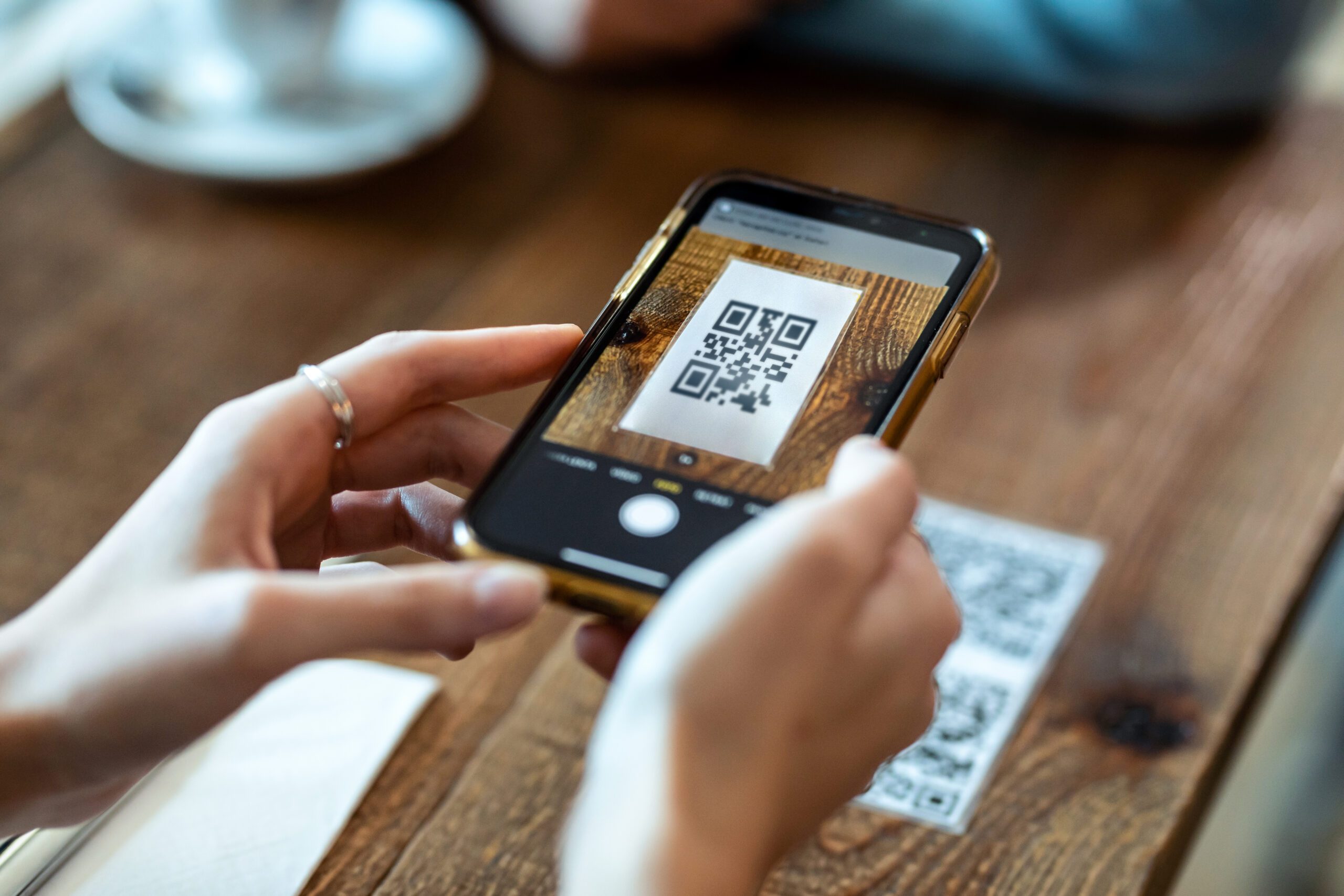
Because eSIMs are digital, employees can receive and install their plans without waiting for a physical SIM card. ZIM’s corporate eSIM activation guide also supports direct installation, allowing employees to install their corporate plan from an activation link.
You can learn more about how long an eSIM takes to activate before implementing eSIMs across your workforce.
How ZIM Business Creates Financial Control
The biggest advantage for businesses isn’t simply that eSIMs can reduce roaming costs.
It’s the control they provide over how connectivity is purchased and used.
The ZIM Business Suite provides a centralised dashboard where businesses can manage their mobile connectivity across their workforce. Teams can track data usage, activate or deactivate plans remotely and oversee costs from one platform.
That gives finance and IT teams greater visibility into employee connectivity instead of relying on individual employees to purchase roaming packages themselves.
Businesses can also pre-select data plans according to specific travel requirements, meaning employees can receive connectivity appropriate for their destination and trip.
From Unpredictable Bills to Controlled Spend
The difference can be significant.
Traditional approach:
Employee travels → uses domestic roaming → charges accumulate → expense submitted → finance discovers the cost.
ZIM Business approach:
Trip approved → appropriate eSIM selected → employee receives connectivity → usage monitored → business maintains visibility over spend.
This makes connectivity much easier to incorporate into an existing travel policy.
Making Travel Policy Compliance Easier
A travel policy is only useful if employees can realistically follow it.
If a policy says “avoid expensive roaming” but doesn’t give employees a convenient alternative, they may still end up using their domestic provider when they land.
Providing a business eSIM as part of the travel process gives employees a clear, approved option.
For example, a company’s travel policy could specify:
Employees travelling internationally must use a company-provided eSIM for mobile data where available.
The company can then determine which plan is appropriate based on the destination, length of the trip and expected usage.
This creates a much clearer connection between travel approval and mobile spending.
Pre-Approved Connectivity Can Reduce Ad Hoc Spending
One of the biggest advantages of centralised management is that businesses can move away from employees making connectivity decisions independently.
Instead of employees searching for roaming packages after landing, the business can arrange their connectivity before the trip.
This could be particularly useful for:
- Sales teams
- Consultants
- Executives
- Remote employees
- International teams
- Employees attending conferences
- Employees travelling between multiple countries
ZIM’s Business Suite supports centralised management and pre-selection of plans according to specific travel requirements.
For companies managing frequent international travel, this can turn mobile connectivity from an unpredictable expense into a more structured part of travel planning.
What About Employees Who Need Their Existing Number?
A business eSIM doesn’t necessarily mean employees have to give up their normal phone number.
Compatible smartphones can support multiple SIM profiles, allowing employees to keep their primary number while using a separate eSIM for business travel data.
This is particularly useful for employees who need to remain reachable while abroad but don’t want their domestic provider’s roaming charges to apply to everyday data usage.
Businesses can also explore using an eSIM and physical SIM at the same time to understand how dual-SIM functionality works.
Beyond Roaming: Creating a More Scalable Mobile Policy
As businesses grow, managing mobile connectivity on an employee-by-employee basis becomes increasingly difficult.
One employee may use a roaming add-on.
Another may purchase a local SIM.
Someone else might expense hotel Wi-Fi.
And another employee could simply use their domestic data without realising the cost.
This creates inconsistent spending and makes it difficult for finance teams to understand what the company is actually spending on connectivity.
A centralised business eSIM platform creates a more consistent process.
Employees receive an approved connectivity solution, while the business retains greater visibility over the plans being used and the associated costs.
Why ZIM Business?
ZIM Business is designed to help businesses manage international connectivity from one centralised platform.
Instead of relying on individual employees to navigate roaming charges themselves, companies can provide destination-specific eSIM plans and manage connectivity across their workforce.
With ZIM Business, companies can:
- Centralise eSIM management
- Monitor data usage
- Manage plans remotely
- Oversee connectivity costs
- Pre-select plans for specific travel needs
- Give employees a clear alternative to domestic roaming
For businesses already struggling with employee mobile bill shock, the benefit is ultimately about predictability.
Final Thoughts
Employee mobile bill shock isn’t just a telecoms problem. It’s a business expense management problem.
When employees travel internationally without a defined connectivity solution, companies can end up paying unpredictable roaming charges that are only visible after the trip.
A business eSIM provides a more structured alternative.
By combining a clear travel policy with centrally managed eSIMs, businesses can give employees reliable connectivity while creating greater visibility and control over mobile spending.
Instead of finding out what international connectivity cost the company after the bill arrives, businesses can decide what employees should use before they travel.
That’s the shift from simply managing mobile bills to actively managing business travel connectivity.
Frequently Asked Questions
What is employee mobile bill shock?
Employee mobile bill shock occurs when an employee’s mobile usage results in unexpectedly high costs, often because of international roaming, additional data usage or out-of-bundle charges.
How can businesses prevent mobile bill shock?
Businesses can reduce unexpected mobile costs by establishing a clear travel policy, providing approved connectivity options and centrally managing business eSIM plans.
Can a business eSIM replace roaming?
For compatible devices and destinations, a business travel eSIM can provide an alternative to using a domestic provider’s roaming service. ZIM offers eSIM plans across more than 200 destinations.
Can companies monitor employee eSIM usage?
ZIM Business provides a centralised dashboard that allows businesses to track data usage and oversee costs across their workforce.
How does an eSIM support a company travel policy?
A company can make an approved eSIM part of its travel process, giving employees a defined connectivity option before they travel rather than leaving them to choose a roaming solution themselves.
Is an eSIM difficult for employees to install?
No. eSIMs can be provisioned digitally, and ZIM’s corporate activation process supports direct installation. Employees can install their corporate eSIM without needing to visit a store or handle a physical SIM.